From technical drawings
The AI reads plans and sections, traces walls, openings and rooms level by level, and builds the model. A critic then compares it with the drawings.
Build this house from the plan and the section.
Gapsman is a 3D engine for architecture built to be driven by an AI. Describe a building, attach a plan, a sketch or a photo, and the model appears in the chat, with its reasoning written underneath.
Example prompt and reasoning.
Every scene starts from a written prompt. The AI calls the engine, checks each step, and the model takes shape in front of you.
There is no tool palette to learn first. Every command of the engine, from a boolean to a render, is a function that the AI calls and checks on its own.
Ask in plain words, in the ChatGPT chat. Attach technical drawings, a sketch, a photo or an address when you have them.
It reads the request, calls the Gapsman functions one by one and checks each result. The model is drawn in the chat, and the reasoning runs underneath, step by step.
Correct in words, or take the mouse and edit in the same viewport. Every change is a new revision with its own code, so nothing is lost.
The AI builds: it chooses the commands, measures, checks and writes what it is doing, one line at a time, under the model.
The same model, in the same viewport, is fully editable by hand. The next prompt starts from the model exactly as you left it.
Each function is written as a prompt. These are examples of what you can ask.
Swipe to see more
The AI reads plans and sections, traces walls, openings and rooms level by level, and builds the model. A critic then compares it with the drawings.
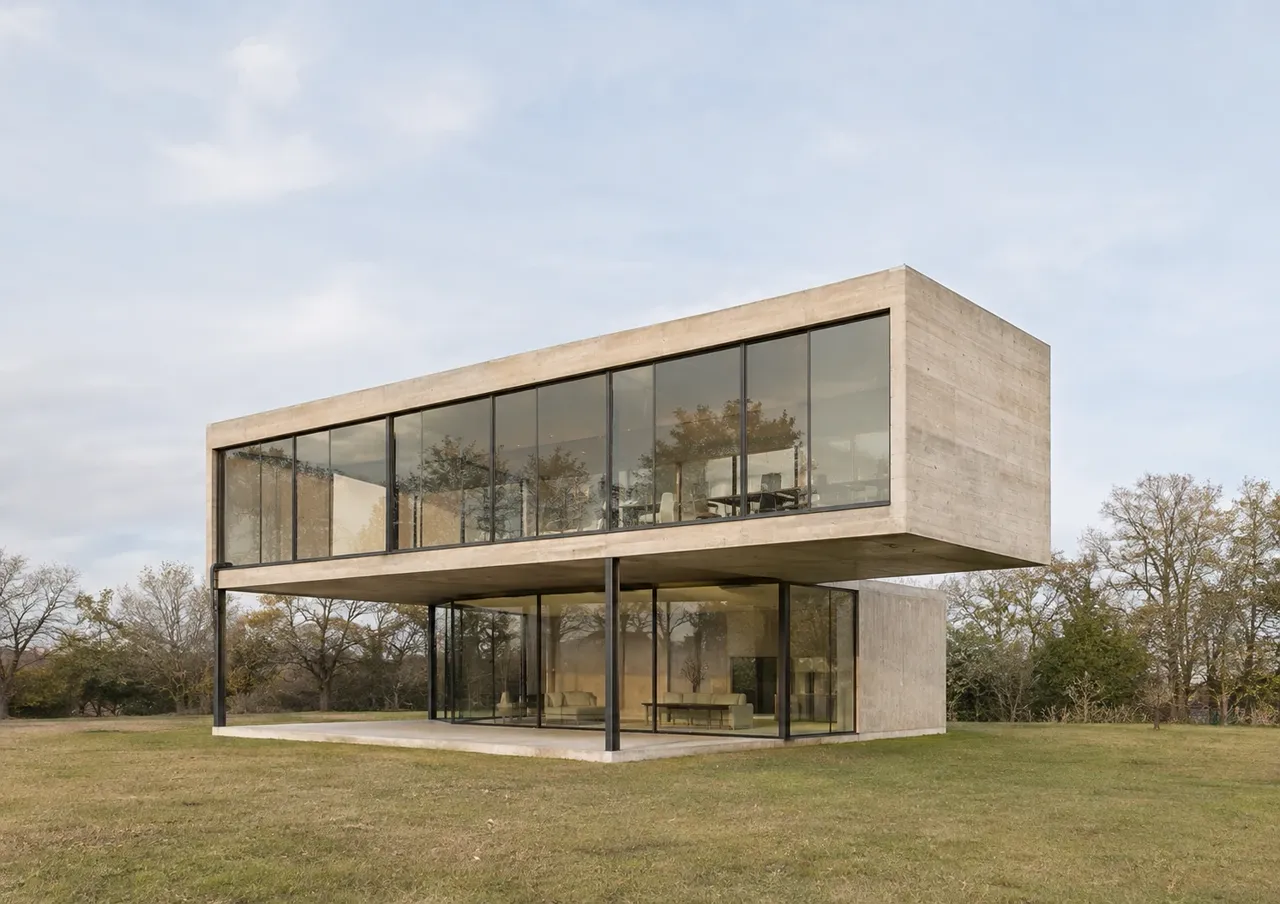
From a sketch or a photo it finds the lines, the vanishing points and the camera, then draws the architecture in the same view.

It finds the place, takes the buildings from OpenStreetMap, checks them on the satellite photo and reads the facades along the street.
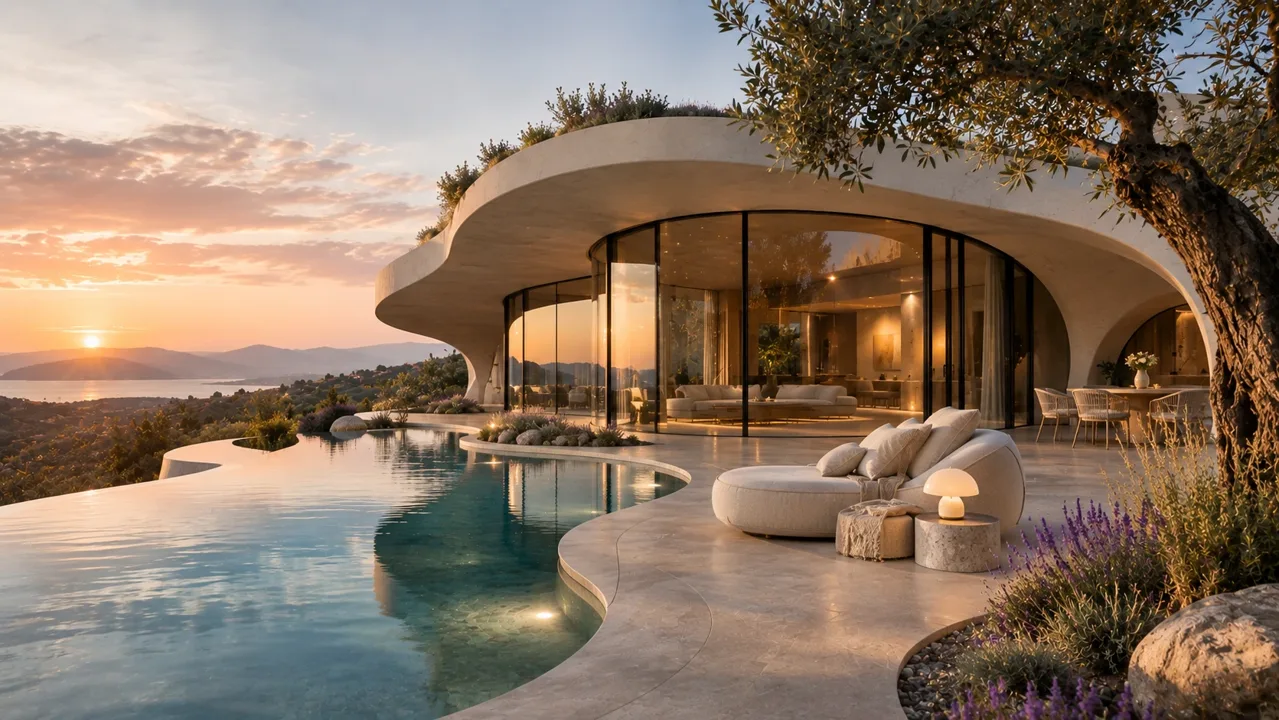
Walls, doors, windows, slabs, roofs, stairs: everything stays parametric. It also models freely, with curves, polygons, subdivision and a little sculpting.
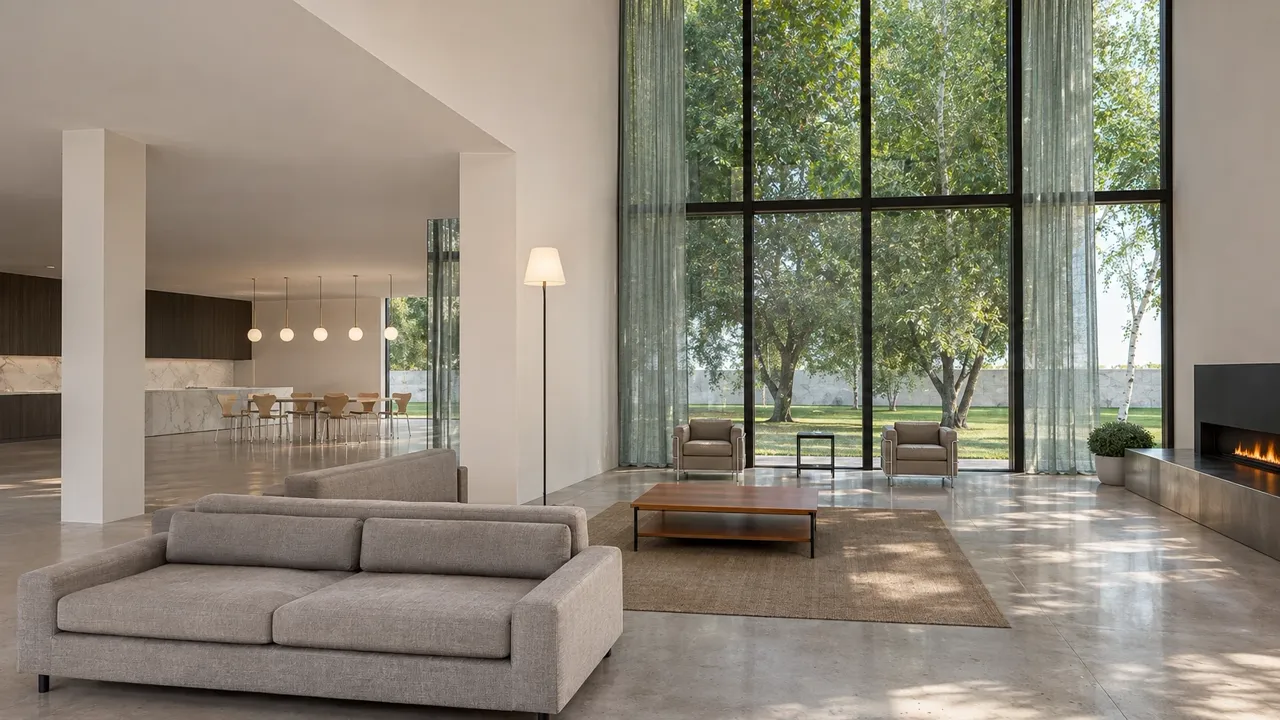
Furniture comes from a library of real products, with brand, model and measures, such as Muuto, Vitra, Cassina, HAY, Fritz Hansen and IKEA.
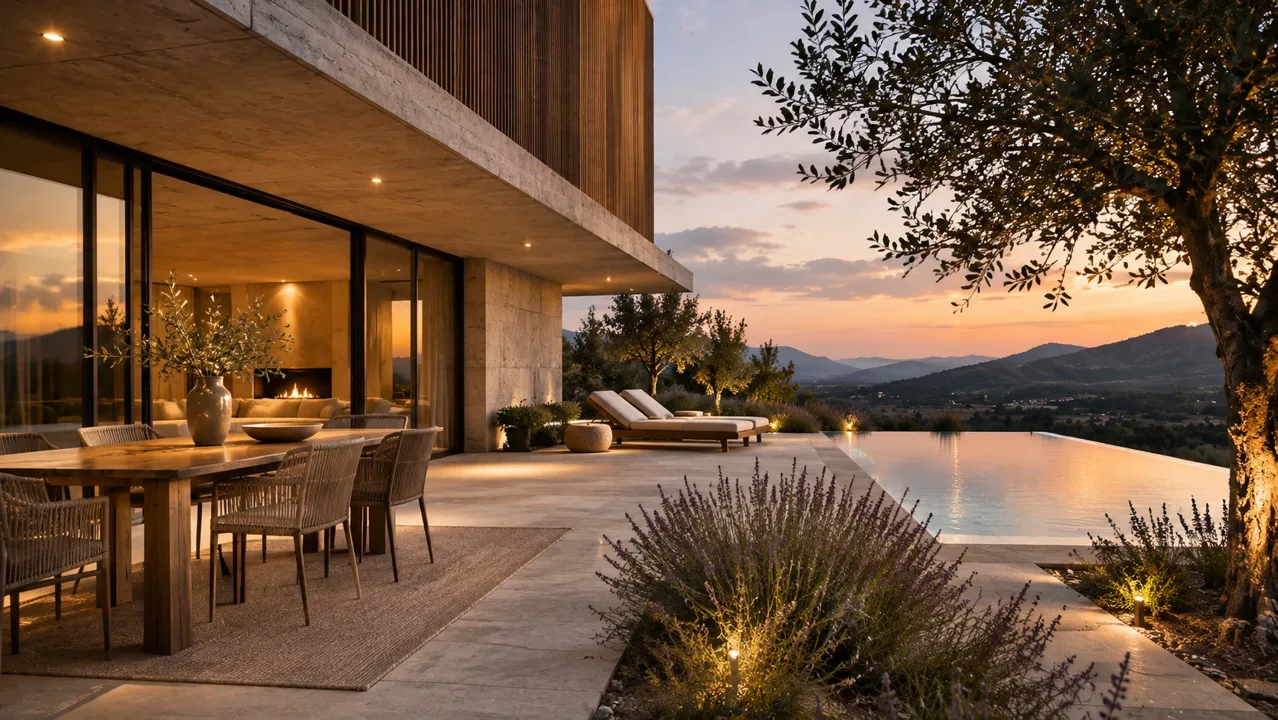
Real photographs of trees and people on cards that face the camera, with seasons, and a vegetation creator that grows ivy on the walls.
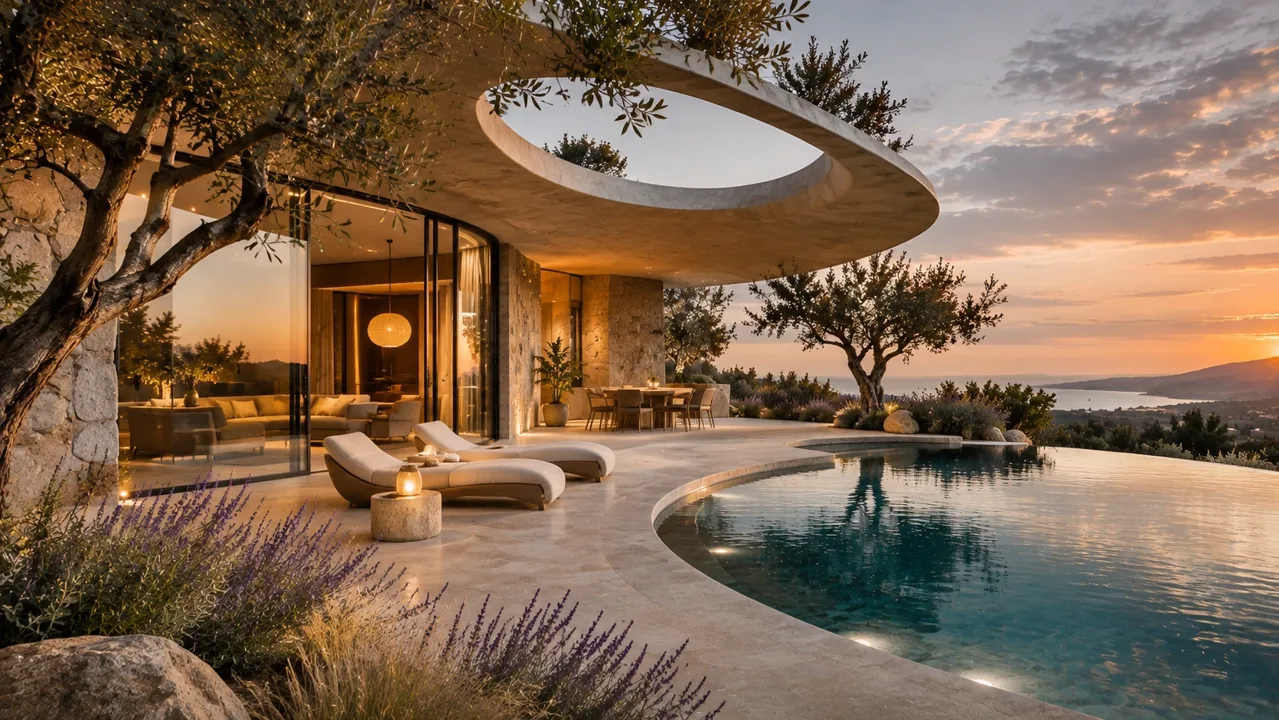
When a command is missing, the AI composes it from the commands it has, tests it on an empty scene and adds it to your tools.
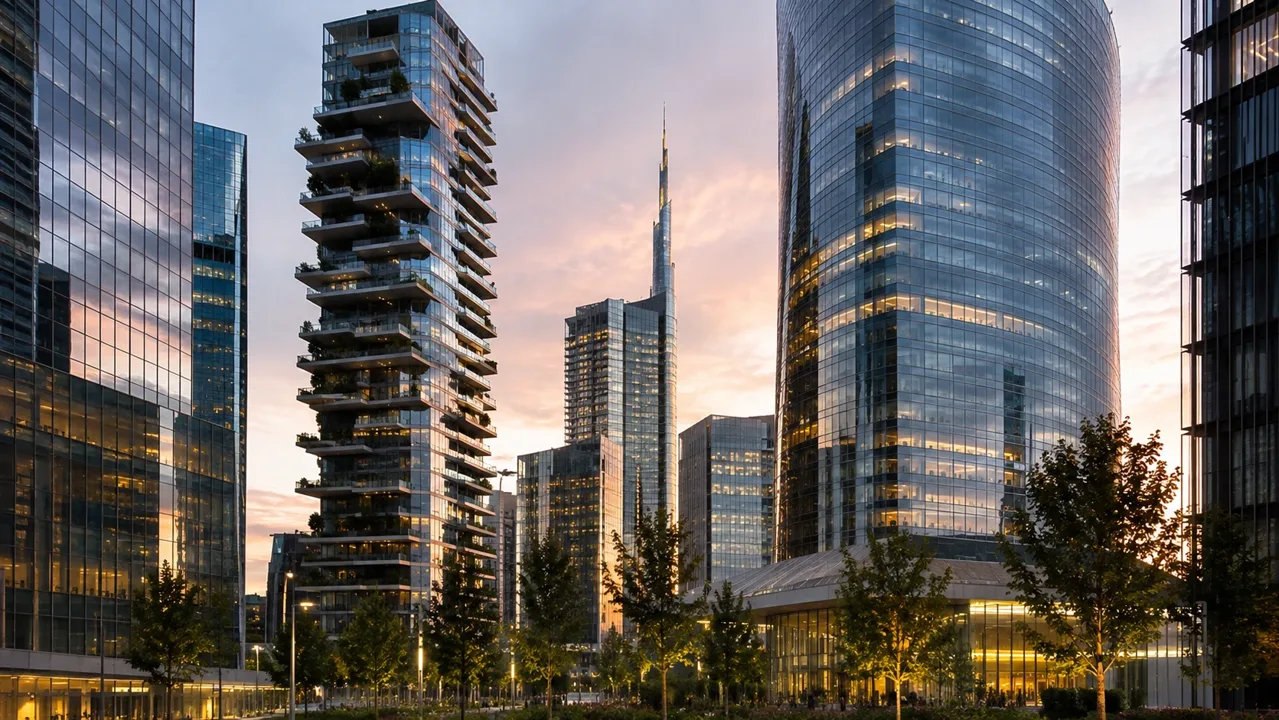
From drawings, the AI writes a checklist and a critique first. Building starts only after you approve it.
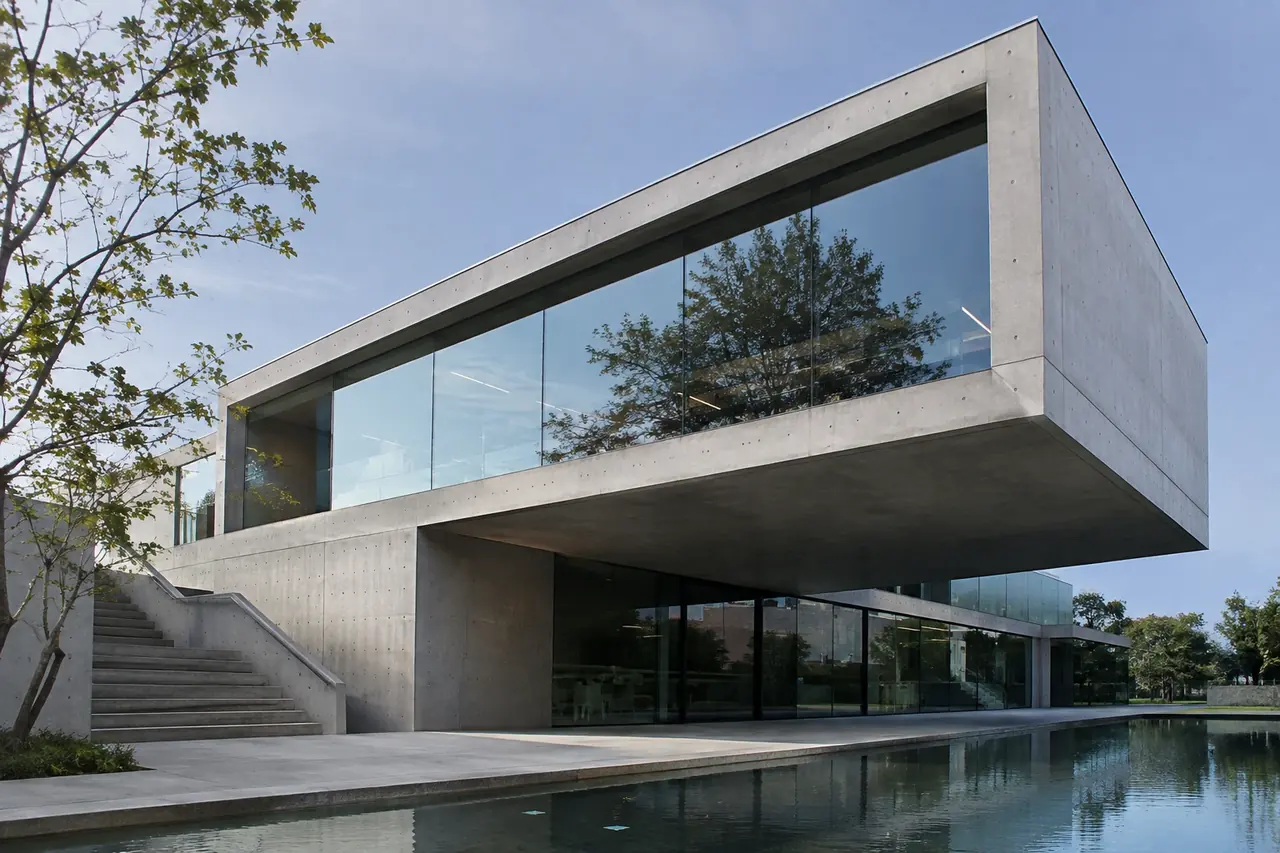
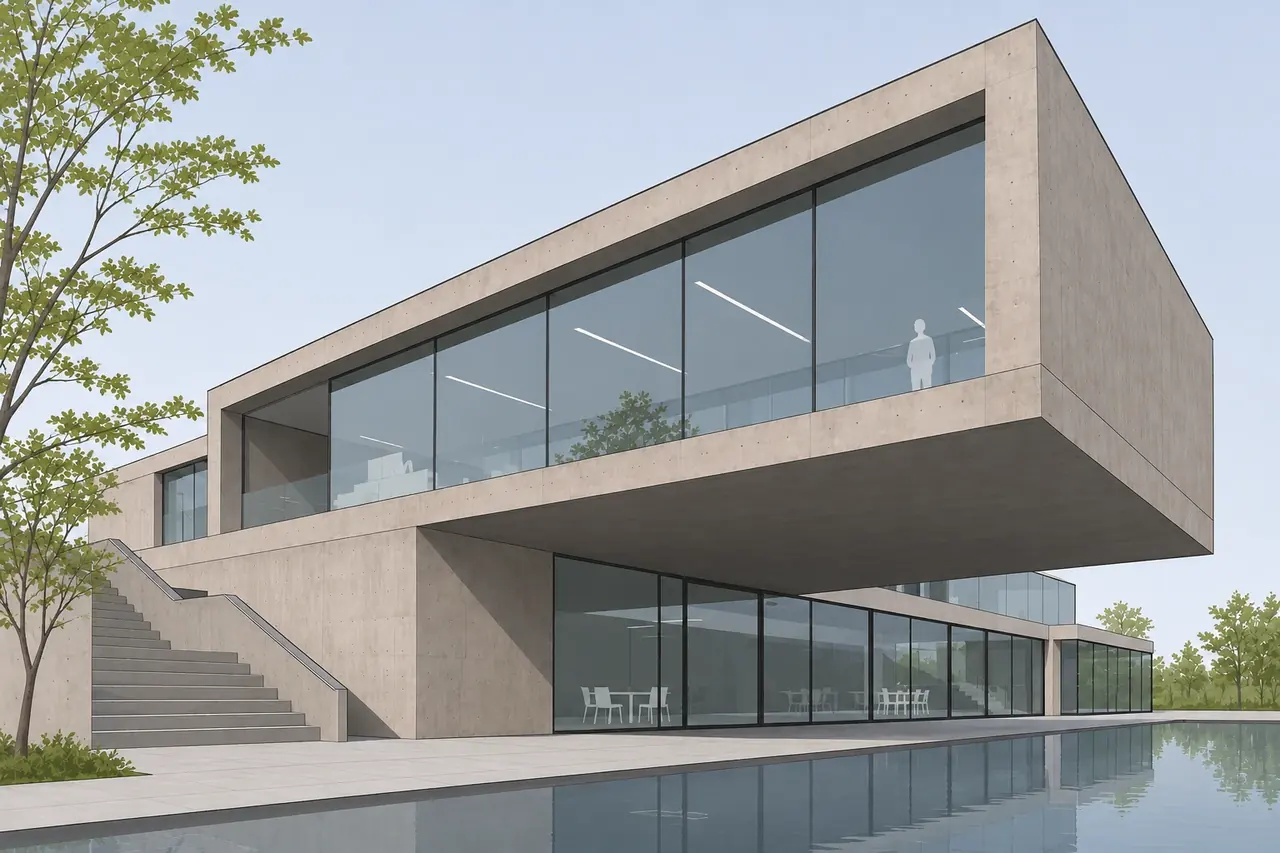
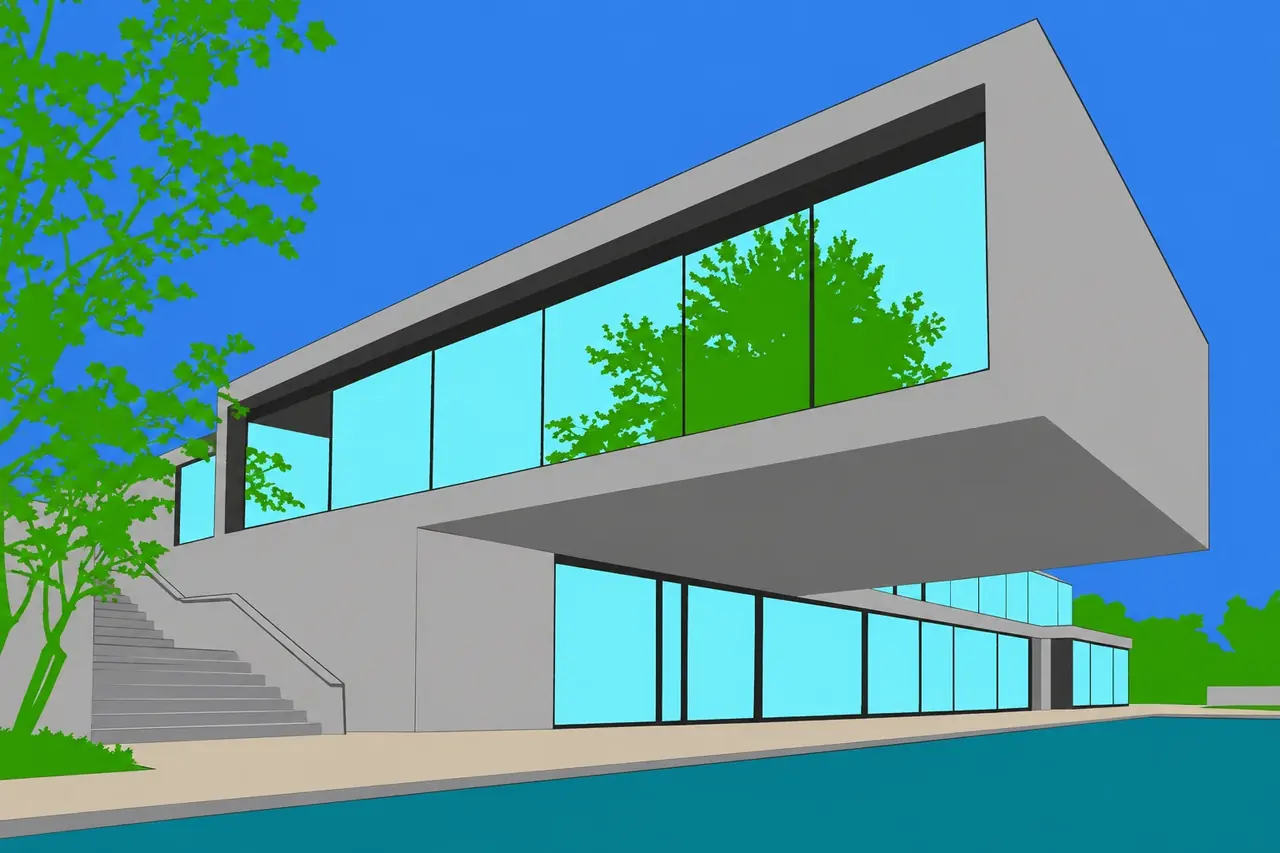
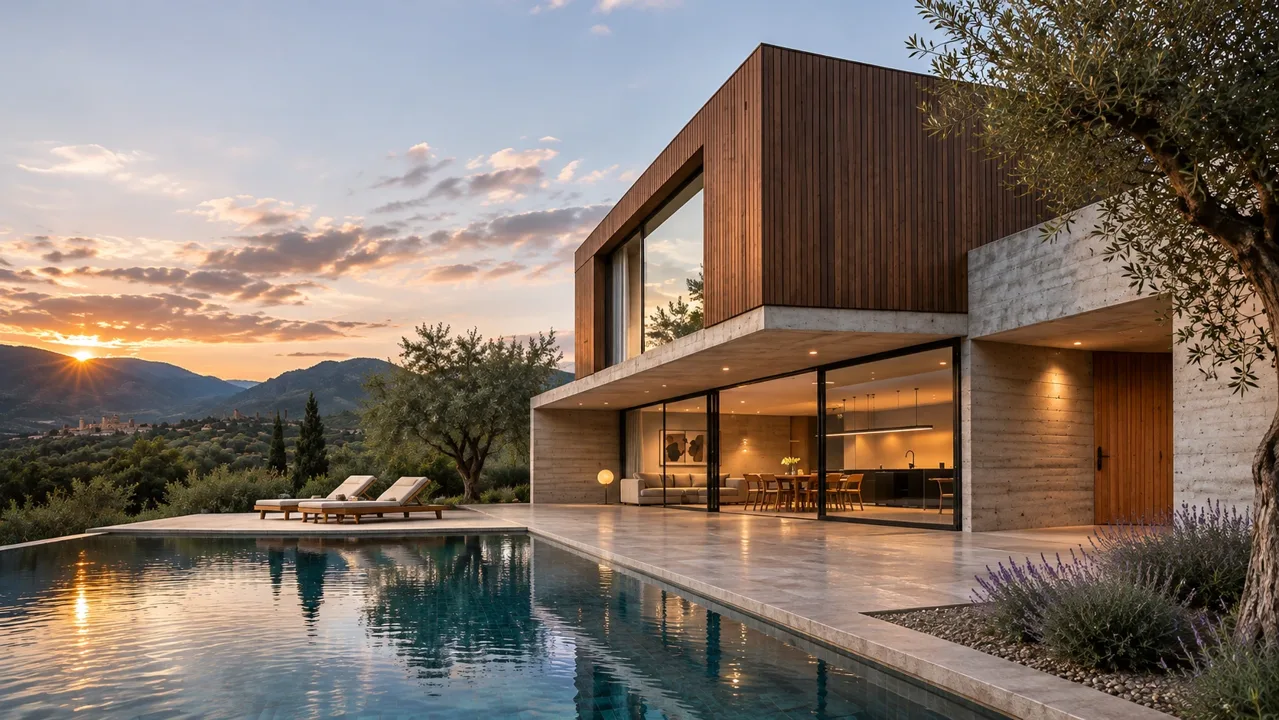
Path-traced render, ID render, layer adjustments, then the final image in ChatGPT, with the same camera and geometry.
The AI places the camera and renders. Every material gets a colour and a code, so the final image keeps the same geometry.
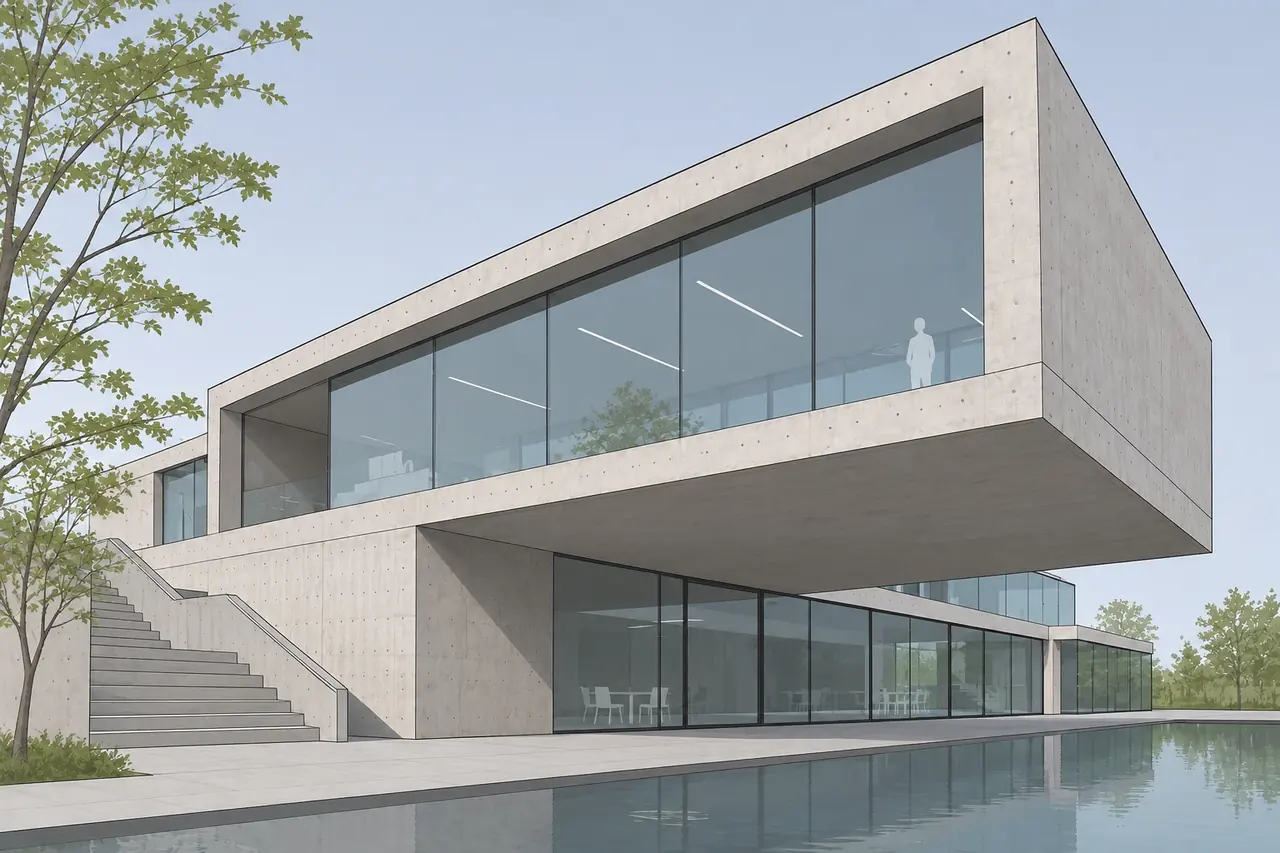 Basic render · path tracer
Models and images made from a few prompts. Click an image to enlarge it.
The same benchmark shown inside the plugin. A value is marked as measured only when a test exists. The others are cautious estimates, and will be replaced by measurements as tests grow.
Measured on the development PC.
138 / 138 MEASURED
Test suite of the plugin tools, run on 24 November 2026.
The functions the plugin gives to the AI, grouped by what they do. You never call them yourself: you write, the AI chooses.
Swipe to see more
An honest list, the same one shown inside the plugin.
Swipe to see more
A 3D engine for architecture that runs as a plugin inside ChatGPT. You describe what you want in words, and the AI uses the engine to model, check and render it.
No. You work by writing prompts. If you want, you can also edit the model by hand in the same viewport.
Plans and sections, sketches, photos, and an address for the real context. The AI reads them and says what it understood before building.
Yes. Walls, doors, windows, slabs, roofs, stairs, furniture and ivy keep their parameters, so a correction in words changes the model instead of redrawing it.
Gapsman renders the model with a path tracer, makes an ID render with one colour and one code per material, adjusts the layers, and writes the prompt for the final image in ChatGPT, with the same camera and geometry.
The models, drawings and renders you create with Gapsman are yours.
Gapsman checks geometry, not structure or building codes. A licensed professional is always needed.
During early access Gapsman runs as a custom app, which requires a ChatGPT plan that allows custom apps. Write to us and we will tell you what fits your account.
Gapsman is in early access, as a plugin for ChatGPT. Tell us who you are and what you design, and we will get back to you.
Request access